.svg)
Progressive Web Apps: A Practical Introduction
Reported By
Code-OX technology team
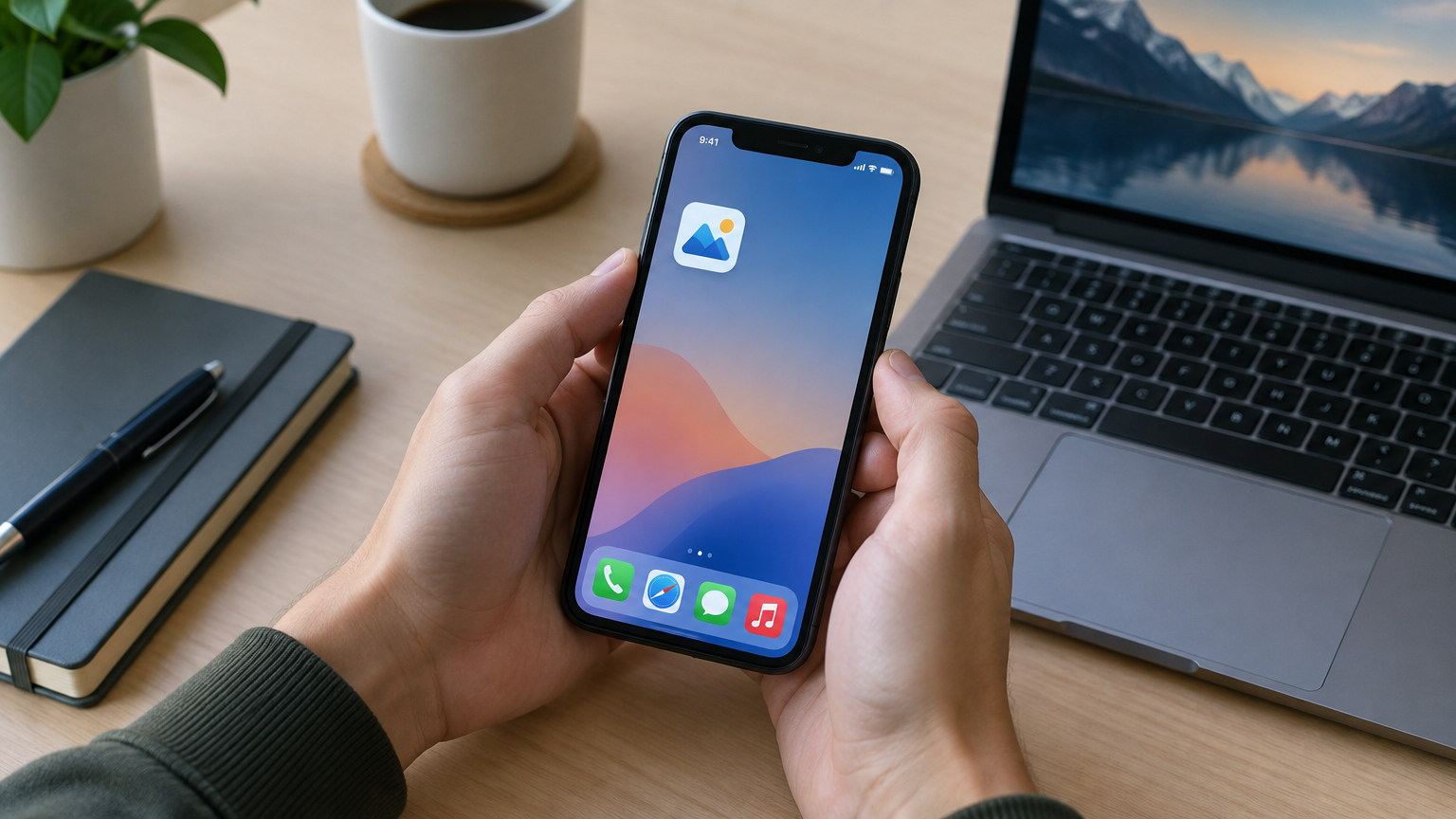
Progressive Web Apps, usually called PWAs, are websites that behave like native apps. They can be installed on a phone or desktop, work with a weak connection and feel fast and responsive, all without going through an app store. For many businesses they offer a practical middle path between a regular website and a full mobile application.
\nWhat Makes a Web App \"Progressive\"
\nA PWA is built with standard web technologies: HTML, CSS and JavaScript. It becomes progressive by adding a few capabilities on top. It works for every visitor in any browser, and it enhances the experience where the device and browser support more features.
\nThe Core Building Blocks
\n- \n
- HTTPS: PWAs must be served securely, which also protects your users. \n
- Web app manifest: a small file that defines the app name, icons and colors so it can be installed to the home screen. \n
- Service worker: a script that runs in the background, caches files and enables offline behavior. \n
- Responsive design: the layout adapts to phones, tablets and desktops. \n
Why Businesses Choose PWAs
\nOne codebase serves every platform, which reduces development and maintenance effort compared with building separate iOS and Android apps. Updates reach users immediately because there is nothing to download from a store. Pages load quickly thanks to caching, and users can return to the app from an icon on their home screen.
\nWhere PWAs Work Well
\nPWAs suit content sites, online stores, booking tools, dashboards and internal business applications. They are especially useful when users have unreliable connectivity, because cached screens and queued actions keep the app usable until the network returns.
\nLimitations to Keep in Mind
\nPWAs do not replace native apps in every case. Access to some device features, such as advanced Bluetooth, deep system integration or certain background tasks, can be limited, and support varies between platforms. If your product depends heavily on those features, a native or hybrid app may fit better.
\nPractical Takeaways
\n- \n
- Start by making your existing site fast, secure and responsive. \n
- Add a manifest and a service worker to enable installation and offline pages. \n
- Decide what should work offline before writing any caching code. \n
- Test on real devices and on slow networks, not just on a fast office connection. \n
- Choose native only when you truly need features the web cannot provide. \n
Code-OX designs and builds modern web applications, including PWAs, that are fast, reliable and easy to maintain. If you are weighing a PWA against a native app, our team can help you choose the approach that fits your goals and budget.