.svg)
React Native vs Native iOS Development: Which Should You Choose in 2026?
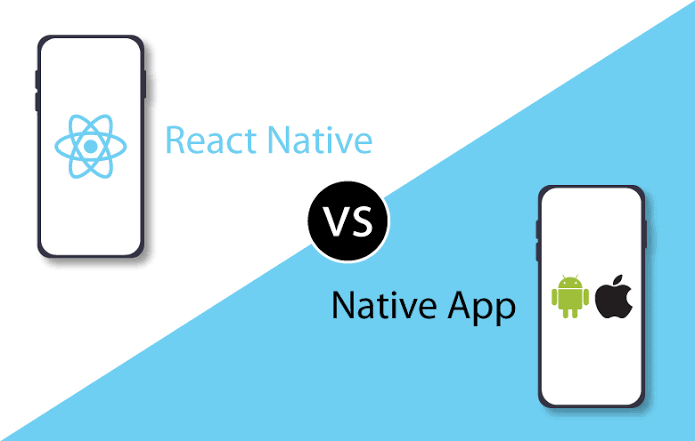
Choosing the right technology for iOS app development can have a major impact on development speed, performance, maintenance, and long-term scalability. Two popular approaches are React Native and Native iOS development using technologies such as Swift and SwiftUI.
React Native allows development teams to build applications using JavaScript or TypeScript while sharing a significant portion of the code across platforms. Native iOS development, on the other hand, focuses specifically on Apple's platforms and uses Apple's recommended development technologies.
In 2026, both approaches remain relevant. The right choice depends on the application requirements, development team, budget, performance expectations, and whether the product needs to support platforms beyond iOS.
What Is React Native?
React Native is an open-source framework for building mobile applications using React and JavaScript or TypeScript. It was designed to allow developers to create mobile applications while sharing code between platforms such as iOS and Android.
For businesses building both iOS and Android applications, React Native can reduce duplicated development work and make it easier to maintain shared application logic.
What Is Native iOS Development?
Native iOS development means building applications specifically for Apple's platforms using technologies such as Swift, SwiftUI, and Apple's native SDKs.
Because the application is designed specifically for Apple's ecosystem, developers can directly work with platform APIs and frameworks. This approach is particularly useful when an application requires deep integration with iOS capabilities or highly optimized platform-specific experiences.
React Native vs Native iOS: Quick Comparison
| Factor | React Native | Native iOS |
|---|---|---|
| Primary Technologies | JavaScript / TypeScript, React Native | Swift, SwiftUI, Apple SDKs |
| Platforms | iOS and Android | Primarily Apple platforms |
| Code Sharing | High potential for shared code | Mostly platform-specific |
| Performance | Very good for most applications | Excellent platform-specific performance |
| Development Speed | Fast for cross-platform products | Can be slower when separate platform implementations are required |
| iOS Integration | Strong, with native modules when required | Direct access to Apple's APIs and frameworks |
| Best For | Cross-platform applications | iOS-focused and highly platform-specific applications |
1. Development Speed
One of React Native's biggest advantages is the ability to share application code between iOS and Android. Teams can build common business logic, screens, API integrations, and other application features without maintaining completely separate implementations.
This can make React Native attractive for startups and businesses that want to launch on multiple platforms quickly.
Native iOS development can still provide an efficient development experience, particularly when the product is designed only for Apple devices and the development team has strong Swift and SwiftUI expertise.
2. Performance
Native iOS applications have direct access to Apple's frameworks and platform capabilities. This makes native development a strong option for applications that require highly optimized graphics, intensive processing, advanced animations, or specialized hardware capabilities.
React Native can provide excellent performance for many business applications, social applications, eCommerce platforms, dashboards, booking systems, and other common mobile products.
The important point is that performance should be evaluated based on the actual application rather than assuming that every React Native application will perform poorly compared with a native application.
3. User Interface and User Experience
Native iOS development provides direct access to Apple's UI frameworks and design capabilities. This can make it easier to implement highly platform-specific interfaces and follow Apple's design conventions closely.
React Native provides reusable components and allows developers to create native-feeling interfaces while sharing application code across platforms.
If an application requires completely different user experiences for iOS and Android, native development may provide greater control. If the interfaces are largely shared, React Native can reduce duplicated work.
4. Access to Native Features
Modern mobile applications often need access to cameras, location services, notifications, Bluetooth, biometrics, file systems, sensors, and other device capabilities.
Native iOS development provides direct access to Apple's APIs. React Native can also access native functionality through supported libraries and native modules.
When a project depends heavily on new or highly specialized Apple APIs, native development may provide a more straightforward implementation path.
5. Cross-Platform Development
This is one of the most important differences between the two approaches.
React Native is designed around cross-platform development. A significant portion of the application can be shared between iOS and Android, although some platform-specific code may still be necessary.
Native iOS development focuses on Apple's ecosystem. If an organization later decides to launch an Android application, it will generally need a separate Android implementation using Android technologies.
6. Maintenance
Maintaining a single shared codebase can simplify development for cross-platform products. React Native can reduce the amount of duplicated application logic that needs to be updated across iOS and Android.
However, cross-platform projects can still require platform-specific maintenance, especially when integrating device APIs or third-party native libraries.
Native iOS applications can be easier to maintain when the product is exclusively focused on Apple's ecosystem because the codebase is designed specifically around Apple's platform.
7. Team Skills
The development team's existing skills should also influence the technology decision.
React Native is particularly suitable for teams with strong JavaScript or TypeScript and React experience. Developers can use familiar web-development concepts while building mobile applications.
Native iOS development requires knowledge of Swift, SwiftUI, Apple's SDKs, and the iOS development ecosystem.
Choosing a technology that matches the team's existing expertise can reduce onboarding time and development risk.
8. Cost Considerations
Development cost depends on many factors, including application complexity, team size, integrations, testing requirements, design, backend services, and long-term maintenance.
For a company developing both iOS and Android applications, React Native can potentially reduce development effort by allowing teams to reuse a substantial amount of code.
For an iOS-only application, native development may be a practical choice because there is no need to maintain cross-platform architecture.
9. When Should You Choose React Native?
React Native can be a strong choice when:
- You need both iOS and Android applications.
- You want to share application logic between platforms.
- You already have a React or TypeScript development team.
- You want to reduce duplicated development work.
- You are building a typical business, eCommerce, social, booking, or content application.
- You need to launch a cross-platform product efficiently.
10. When Should You Choose Native iOS?
Native iOS development may be a better fit when:
- The application is exclusively focused on iOS.
- You require deep integration with Apple's platform capabilities.
- The application requires highly optimized performance.
- You need advanced graphics or specialized hardware functionality.
- You want maximum control over the iOS user experience.
- Your team already has strong Swift and SwiftUI expertise.
React Native or Native iOS: Which Is Better?
There is no universal winner between React Native and Native iOS development.
React Native is often a practical choice for businesses that need cross-platform applications and want to maximize code reuse and development efficiency.
Native iOS is often the better choice when the product is specifically designed for Apple platforms and requires deep platform integration, maximum control, or highly specialized performance.
How to Choose the Right Technology
Before choosing a framework, consider the following questions:
- Will the application support both iOS and Android?
- How important is platform-specific performance?
- Does the application require specialized Apple APIs?
- What technologies does your development team already know?
- How quickly does the product need to reach the market?
- How complex will long-term maintenance be?
- How much of the application logic can realistically be shared?
Final Thoughts
React Native and Native iOS development are both capable approaches for building modern mobile applications in 2026. The best option depends on the product rather than simply following a technology trend.
For cross-platform products, React Native can provide significant benefits through shared code and development efficiency. For highly specialized iOS applications, native development with Swift and SwiftUI can provide deeper platform integration and greater control.
The right decision should consider performance requirements, platform strategy, development expertise, project complexity, budget, and long-term maintenance.
At Code-OX Technologies, we help businesses choose and implement the right technology for their digital products. From cross-platform mobile applications to custom native development, our focus is on building scalable, reliable, and business-oriented solutions.